this thesis reviews three kinds of embodied therapies through an oral history approach and presents them in first person narrational form. in this context, embodiment infers that the mind and the body are one, where felt sensation and memory are both intrinsic and equal. the therapies included are eye movement desensitization and reprocessing (emdr), ketamine therapy and somatic experiencing. observing isolation itself, as a state that both causes and intensifies trauma, this project asks: in what ways can healing be fostered? presented as if a friend was calling, with no pressure or imposition; three narrators informally explain the therapy they are practicing. in an exhibit using oral histories and paintings, the narrators reflect on how three distinct kinds of embodied therapies can retrospectively combat trauma. as these forms of therapy are often seen as non-legitimized in the court of public opinion, this project intends to spread awareness, decolonize and destigmatize, while presenting tools in a humanistic way.

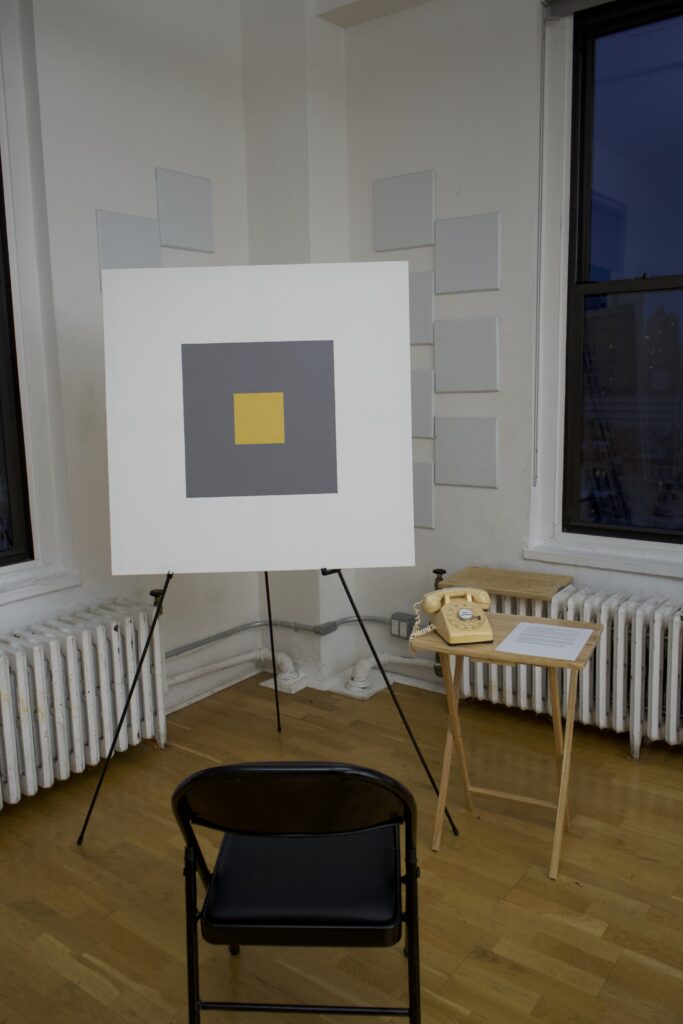
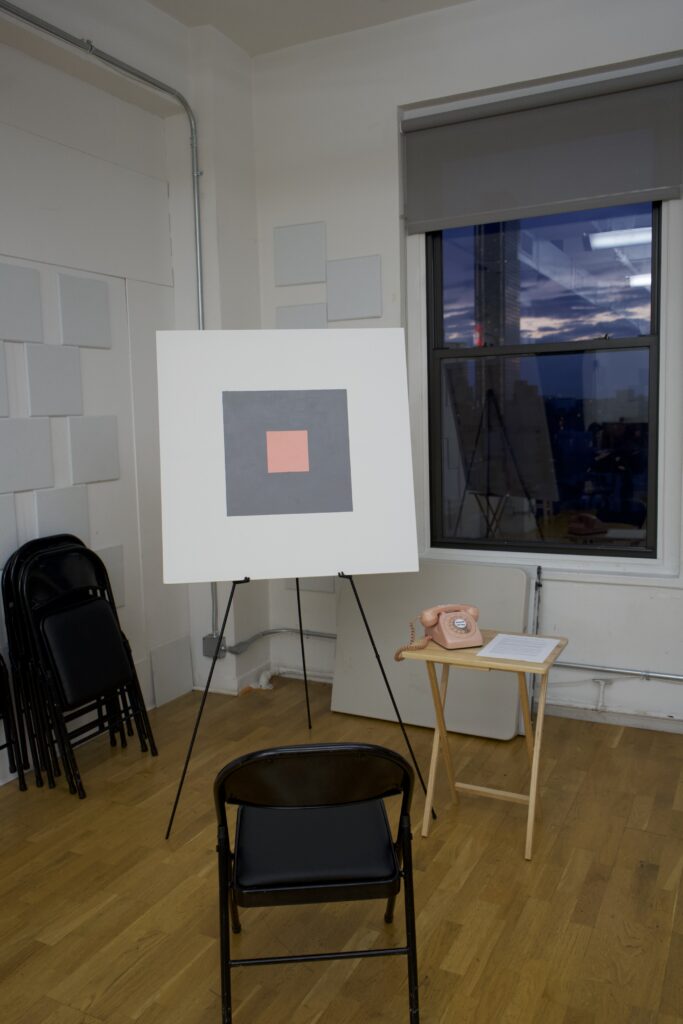
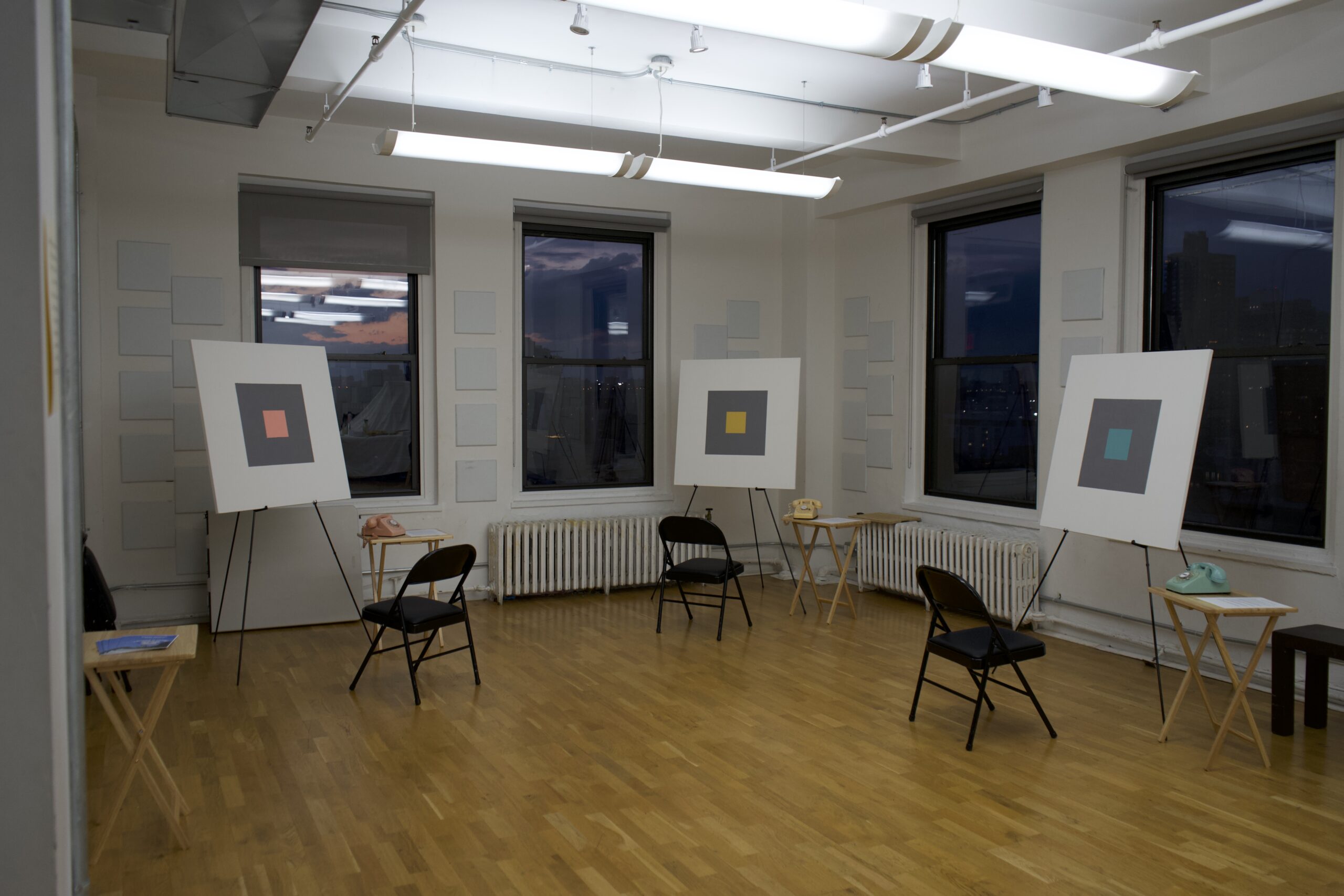
Watch a video of the exhibit here.
Cochran-‘a-friend-is-calling-Thesis-120526
Kaitlin Cochran is a mental health advocate specializing in how unique kinds of cognition play a role in how one engages with grief. She completed her undergraduate study in Philosophy, with an emphasis in ethics, at the University of Puget Sound. During her academic career she is focused on isolation theory as well as embodiment’s role in life through different modalities.
Outside her work in mental health, Kaitlin enjoys spending time working at her local humane society: applying what she has learned about human cognition, anxiety and grief to improve the lives of shelter dogs.
Kaitlin also brings an audio engineering background to her work in oral history – she has worked on the set of multiple live broadcasts and television shows. Combining her skills in capturing sound with a focus on recording stories seemingly untold, her work aims to change the face of public opinion to foster a more inclusive society.